How to Plan a Week of Easy Vegetarian Dinners
The most useful dinner plan is one you can follow on a tired evening. It should work with your schedule, budget, kitchen equipment and the food you enjoy. A plan with five elaborate new dishes may look exciting but create more work. Try a small rotation of familiar meals and leave room for a change of plans.
Start with the calendar, not a recipe list
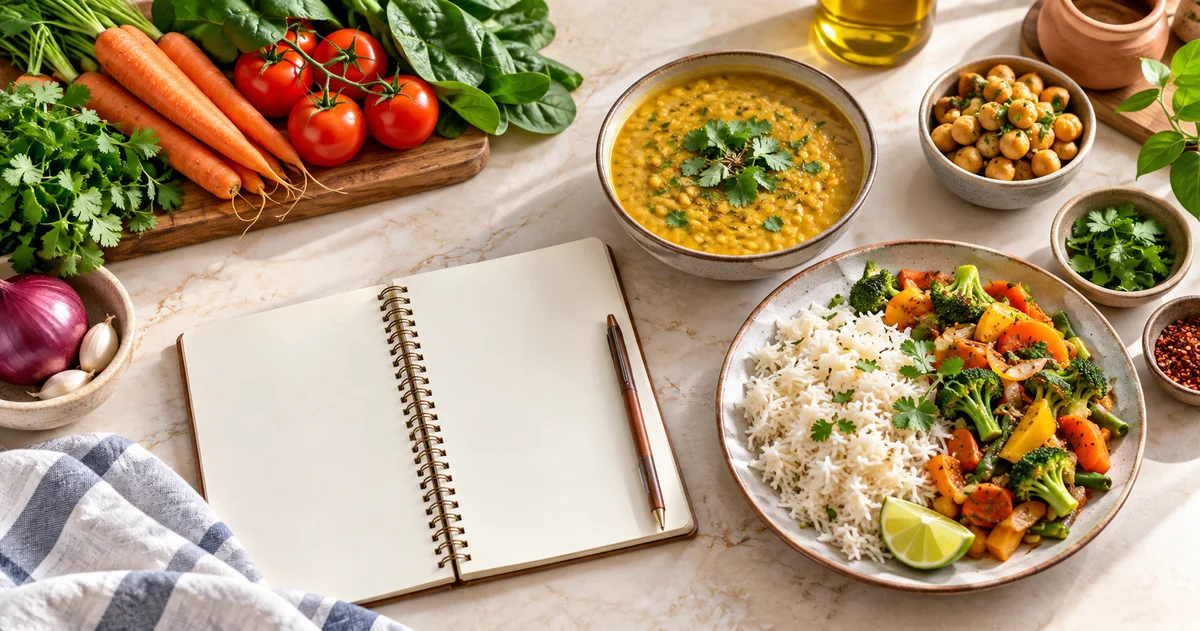
Mark the evenings when you will arrive home late, eat elsewhere or have time to cook. Put the simplest meal on the busiest evening. Then check the fridge and cupboards before making a shopping list. An ingredient you already have can be the starting point for a meal, rather than something to squeeze into a new recipe.
Choose dishes you know how to cook or follow a reliable recipe when trying something new. The schedule below is a planning example, so quantities and cooking times should come from the method you use.
A flexible five-night plan
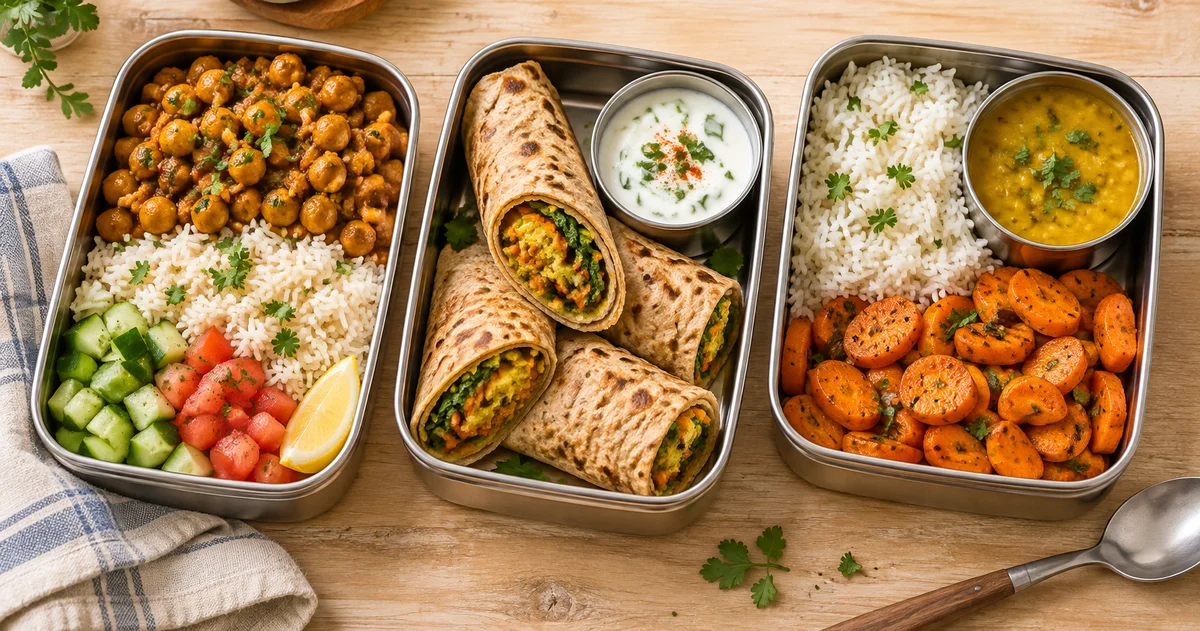
Monday: dal, rice and a vegetable side. Start the week with a familiar combination. Choose a vegetable you will also use later.
Tuesday: vegetable roti rolls. Prepare a cooked filling and add a chutney or dip you enjoy. Keep wet sauces separate until serving if you prefer a firmer roll.
Wednesday: chickpea bowls. Combine fully cooked chickpeas with rice or another base, then add cooked vegetables or washed salad ingredients.
Thursday: vegetable pasta. Use a familiar tomato sauce and the vegetables you planned for it. Cook the pasta according to its packet instructions.
Friday: the flexible evening. Cook a simple pantry meal, use safely stored leftovers within the appropriate period, or make another plan. This space prevents the schedule from feeling like a test you can fail.
Make one shopping list with shared ingredients
Group your list into bases, cooked beans or lentils, vegetables, seasonings and any chilled ingredients. Rice can appear in two meals, while carrots or another vegetable can support both a side dish and a filling. Buy quantities for the people and meals you are actually planning, not an ideal week where every evening goes perfectly.
Check your usual oil, spices and condiments before purchasing duplicates. If an ingredient is expensive or unavailable, choose a substitution that works with your recipe rather than keeping the whole plan dependent on it.
Prep components, not every finished meal
Wash and organise produce as appropriate, check container lids and put the next meal’s shelf-stable ingredients together. Label prepared food with the date. Batch cooking can help, but only when you have safe storage space and a clear plan for when it will be eaten or frozen.
Do not assume everything cooked on Sunday can sit in the fridge until Friday. USDA guidance on leftovers recommends using refrigerated leftovers within three to four days or freezing them for longer storage. Follow safe cooling and storage instructions, and plan fresh preparation where needed.
Keep a backup meal
Choose one uncomplicated meal you can make from ingredients you usually keep. It could be pasta with a familiar sauce or another tried-and-true option. Keep a note of what that meal needs. When an evening changes, you will have a specific alternative rather than starting a new search while hungry.
An outfit for the shop and the rest of your day
If your dinner routine includes a grocery stop or a walk, choose an outfit that is comfortable for both. A plain top with Navy Striped Wide Leg Trousers from Stylin is one casual styling idea. Check the length with your walking shoes. While cooking, keep clothing clear of flames and hot equipment; change or secure loose elements when necessary.

Browse Stylin’s everyday clothing when you are ready to refresh your wardrobe. For portable meal combinations, continue with our vegetarian lunchbox ideas.